.png&width=370&quality=80)
( Reviews )
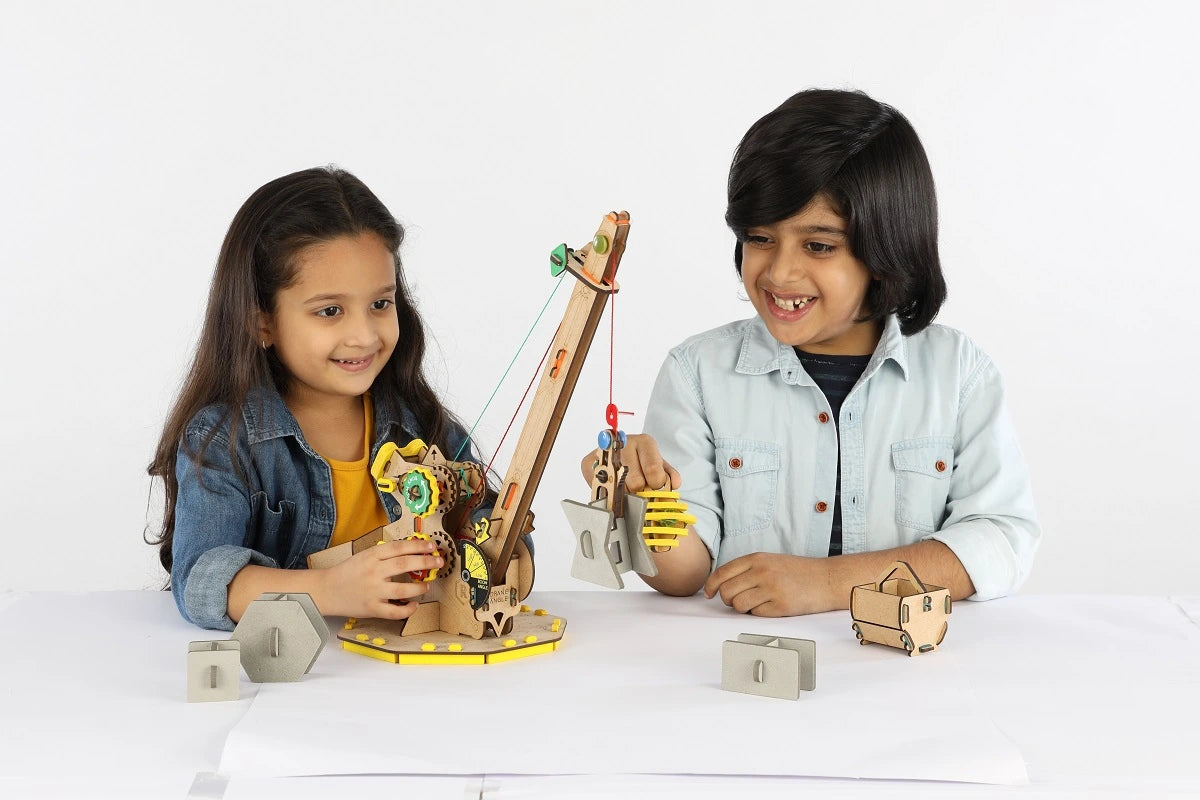
As parents, we’ve all been there. You need 30 minutes to cook dinner or finish a work call, so you hand over the tablet or turn on the TV. It works in a pinch, but the creeping guilt about \"too much screen time\" is real.
The biggest challenge isn't taking the screen away; it’s replacing it with something just as engaging.
That is where educational and STEM (Science, Technology, Engineering, and Math) toys come in. Unlike passive digital entertainment, these toys activate a child’s brain by turning them from a spectator into a creator.
If you are looking to refresh your child’s playroom with purpose, here are five powerful ways educational toys boost development—and how to pick the right ones.
When a child plays with a building set or a magnetic puzzle, they are secretly practicing engineering. If a tower falls, they have to ask why and try a different approach. This trial-and-error process builds cognitive flexibility—the ability to switch strategies when something isn't working.
Before a child can write cleanly with a pencil, they need to build the muscles in their hands and fingers. Playing with wooden blocks, threading beads, and manipulating gears require precise movements. These activities strengthen their grip and hand-eye coordination naturally.
Many plastic, battery-operated toys do all the work for the child. They flash, make noise, and talk at the push of a button. Once the novelty wears off, the child gets bored. Open-ended educational toys (like classic wooden blocks or clay kits) don't have a single \"correct\" way to play. This forces children to use their imagination, keeping them focused for much longer stretches of time without parental intervention.
Ever notice how kids are often cranky or hyperactive right after shutting off a screen? Rapidly changing digital visuals overstimulate the brain. Physical educational games, on the other hand, promote deep focus and mindfulness. It’s a calmer, more grounded type of mental stimulation.
Concepts like gravity, balance, geometry, and fractions can feel intimidating in a textbook. But when a child builds a marble run or balances wooden blocks, they are learning physics through their hands. By the time they see these concepts in school, they already intuitively understand how they work.
You don't need to replace every toy overnight. Start by introducing just one high-quality, open-ended toy into their routine.
At TruTrolley, we curate budget-friendly, high-quality collections designed to spark curiosity and keep kids engaged for hours:
Explore our hands-on STEM Toys here to build your child's engineering, logic, and problem-solving skills.
Shop our full Educational Toys collection here for fun, creative, and screen-free learning games.
Find the perfect match for your child's age group today!